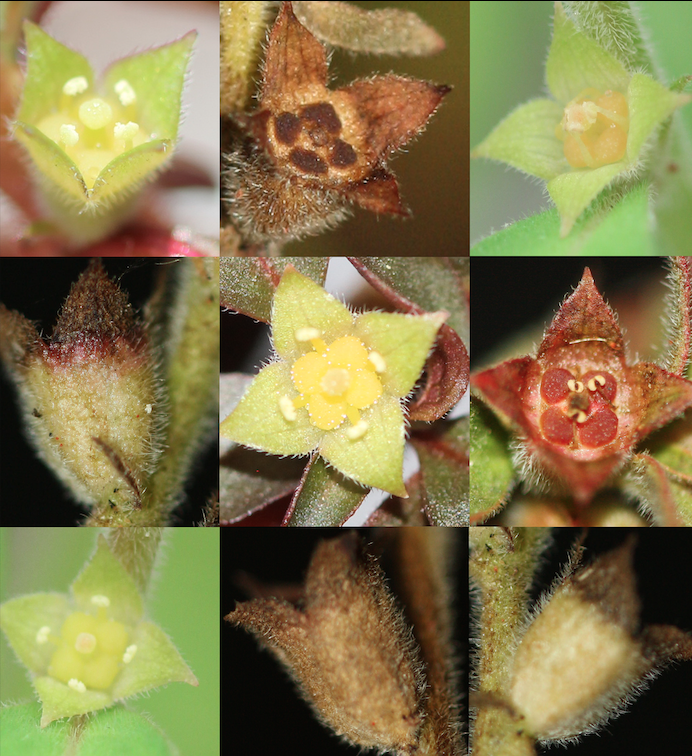
Ludwigia ravenii (Onagraceae) is a critically imperiled wetland-obligate, apparently now limited to anthropogenic habitats in Virginia and the Carolinas. Historical collections are also known from pond margins, shaded creeks, bogs, and swamps, as far south as Florida. Gaining knowledge about seed germination requirements is crucial for developing efficient ex situ propagation methodologies. The objective of the present study was to analyze the effects of cold-stratification and light on the germination of seeds of the species. Using a 4 × 3 factorial design, seeds sourced from plants derived from a North Carolina Coastal Plain population were assigned to either no cold-stratification (c-s), 30-day c-s, 60-day c-s, or 90-day c-s, and to one of three light treatments during germination in a growth chamber (0% shade, 40% shade, or 90% shade). Overall, >14,000 seeds of the species were involved in the study. Two-way ANOVA found a significant effect of c-s treatment (p<0.001), percent shade (p<0.001), and their interaction (p<0.001) on mean percent germination. The highest mean cumulative percent germination was achieved by seeds in the following treatments, none of which differed statistically: 30-day c-s/0% shade, 60-day c-s regardless of shade treatment, and 90-day c-s/0 and 40% shade. Seeds not cold-stratified exhibited the lowest mean cumulative percent germination at the end of the 30-day monitoring period (3.7–32.7%), regardless of shade treatment. Based on our results and for similar growth chamber conditions, we recommend 30- or 60-day c-s followed by unshaded germination for ex situ growing programs.