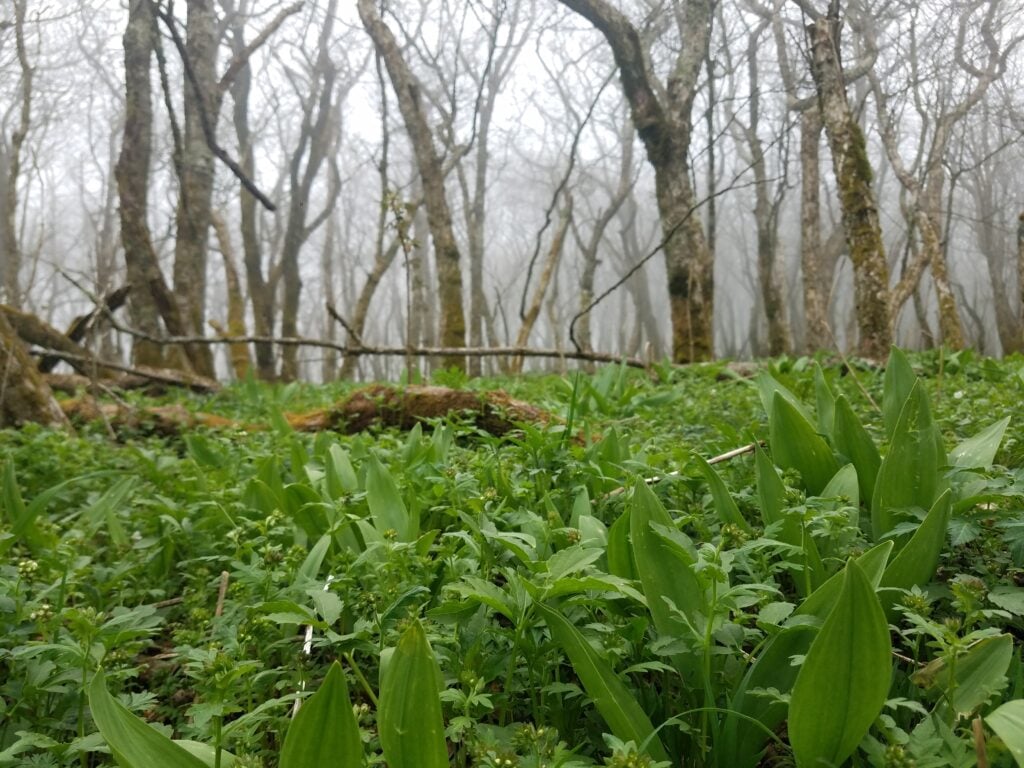
In an era of unprecedented biodiversity loss, understanding the extent to which species lose genetic diversity is imperative for conservation efforts. Reduced genetic diversity can cause species to be less resilient to stochastic change and more susceptible to extirpation and possibly extinction. This is especially problematic for species with small population sizes or significant clonal reproduction. Ramps (Allium tricoccum complex) are a highly sought-after edible plant that is culturally significant to Native Americans, but increases in commercial collection have led to concerns about population persistence. This study uses SNP genetic markers obtained via the Next-Generation sequencing technique MIG-seq to assess the genetic diversity of A. tricoccum populations throughout Great Smoky Mountains National Park, with the hopes of establishing baseline diversity values and empowering sustainable, Indigenous harvest. Populations throughout the park show low levels of genetic diversity and high levels of inbreeding, as expected in taxon with potentially limited sexual reproduction. Analyses reveal two distinct genetic clusters within the park that do not map to distinct populations, providing molecular evidence for the potential presence of Allium burdickii, a sister species. Data generated in this study will play a crucial role in the long-term monitoring of the A. tricoccum complex, as well as highlight genetic methods to explore the presence of multiple species within the park boundaries.